Introduction: What is Oncology and the Role of Nursing
To understand the importance of oncology nursing, it is essential to first explore oncology meaning and What is oncology. Oncology is the branch of medicine that focuses on the diagnosis, treatment, and prevention of cancer. Over the years, Oncology care has evolved into a multidisciplinary approach where outcomes depend not only on advanced therapies but also on the quality of supportive care.
At the center of this ecosystem lies oncology nursing—a specialised discipline that ensures seamless delivery of Cancer care across the patient journey.
Oncology Nursing: A Specialized Discipline in Cancer Care
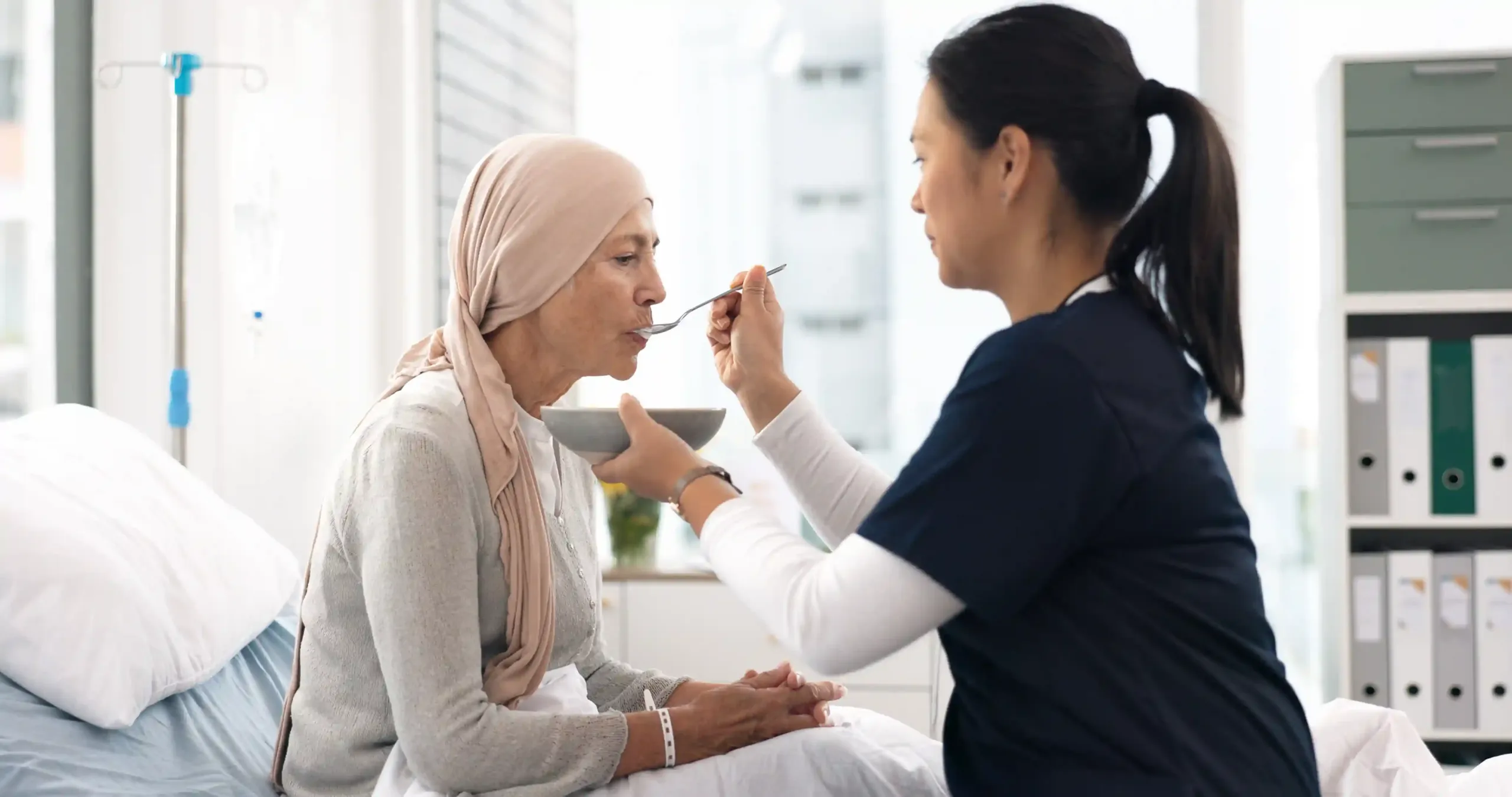
Oncology nursing is more than patient care—it is a critical clinical specialty that integrates science, compassion, and precision. Oncology nurses are trained to manage complex treatment regimens, monitor patient responses, and provide holistic support.
Their responsibilities include:
- Assisting in early detection and patient education
- Administering Oncology Drugs safely
- Monitoring treatment-related toxicities
- Supporting rehabilitation and survivorship care
Clinical studies have consistently shown that strong oncology nursing support improves patient adherence, reduces complications, and enhances overall survival outcomes.
Oncology Nursing and Safe Administration of Oncology Drugs
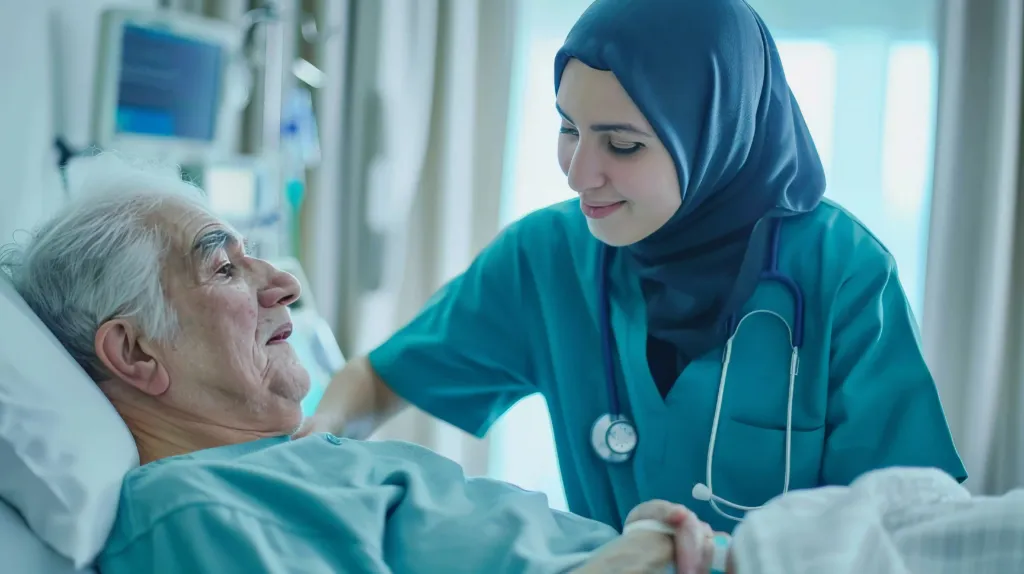
The administration of Oncology Drugs requires a high level of expertise due to their toxicity and narrow therapeutic window. This is where oncology nursing plays a pivotal role.
Oncology nurses are responsible for:
- Accurate drug administration protocols
- Monitoring for adverse effects
- Managing chemotherapy-related complications
- Educating patients about therapy and side effects
With rapid advancements in Oncology Drug Manufacturing, including targeted therapies and immunotherapies, the role of oncology nursing has become even more critical in ensuring patient safety.
Oncology Nursing in the Evolving Landscape of Drug Manufacturing
The rise of precision medicine has transformed Oncology Drug Manufacturing, with cancer medicine manufacturers and Oncology Pharma Companies introducing innovative treatment options.
Oncology nursing bridges the gap between innovation and patient care by:
- Implementing new treatment protocols
- Supporting clinical trials
- Educating patients on advanced therapies
- Ensuring adherence to complex regimens
As Oncology Pharma Companies continue to innovate, the role of oncology nursing becomes indispensable in translating these advancements into effective Cancer care.
Collaborative Role of Oncology Nursing
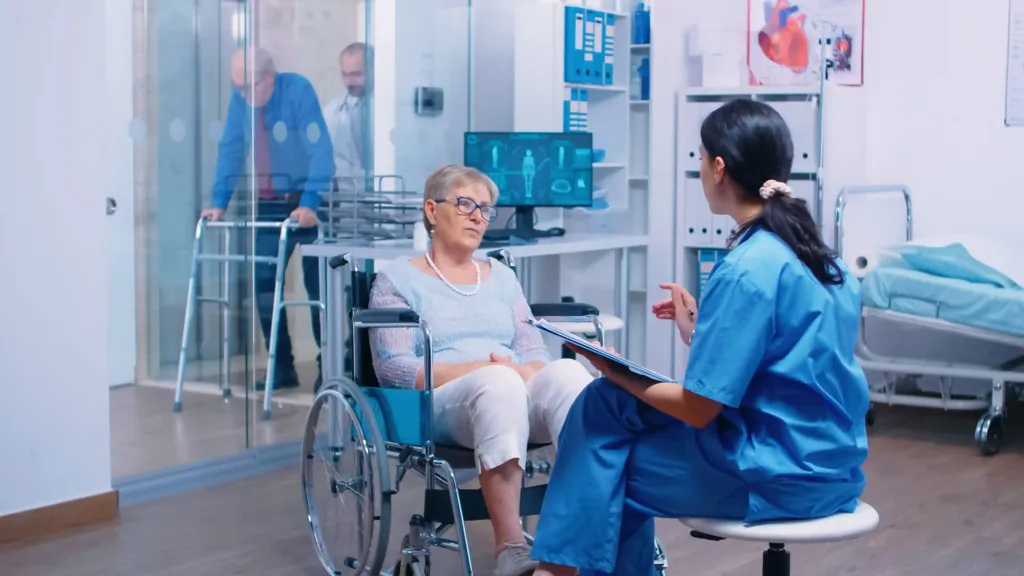
Effective Oncology care is delivered through collaboration, and oncology nursing is at the center of this multidisciplinary model:
Oncology Pharmacist
An oncology pharmacist works closely with oncology nurses to optimize drug dosing, manage interactions, and ensure safety.
Oncology Orthopedic Specialists
In cancers involving bones, oncology orthopedic teams depend on oncology nurses for post-operative care, pain management, and rehabilitation.
Medical Oncologists and Care Teams
While oncologists design treatment strategies, oncology nursing ensures their safe and effective execution.
Patient-Centered Approach in Oncology Nursing
One of the most defining aspects of oncology nursing is its patient-centered approach. Cancer impacts patients physically, emotionally, and socially, and oncology nurses address all these dimensions.
Their role includes:
- Providing emotional and psychological support
- Counseling patients and caregivers
- Managing palliative and end-of-life care
- Enhancing quality of life during treatment
Research published in peer-reviewed journals such as Cancer Nursing highlights that effective oncology nursing significantly improves patient satisfaction and reduces hospital readmissions.
Challenges in Oncology Nursing
Despite its importance, oncology nursing faces several challenges:
- High emotional stress and burnout
- Continuous need for upskilling due to evolving therapies
- Exposure to hazardous Oncology Drugs
Addressing these challenges is essential to sustain high-quality Oncology care.
Future of Oncology Nursing in Cancer Care
With continuous advancements in Oncology Drug Manufacturing and increasing contributions from cancer medicine manufacturers, the future of oncology nursing is expanding rapidly.
Emerging roles include:
- Participation in clinical research
- Integration of digital health technologies
- Personalized patient care planning
Oncology nursing will continue to play a transformative role in shaping the future of Cancer care.
Conclusion
In today’s rapidly evolving oncology landscape, oncology nursing stands as the backbone of effective and compassionate Oncology care. From administering complex Oncology Drugs to supporting patients emotionally, oncology nurses ensure that innovations from Oncology Pharma Companies and Oncology Drug Manufacturing translate into meaningful patient outcomes.
Ultimately, oncology nursing is not just a profession—it is the foundation upon which modern Cancer care is built.