Introduction
Oncology drugs, also known as antineoplastic agents, form the backbone of cancer treatment. These drugs are designed to inhibit, destroy, or control the growth of malignant cells, improving survival outcomes across multiple cancer types.
With rapid advancements, the oncology landscape has evolved from traditional cytotoxic chemotherapy to precision-driven targeted therapies and immunotherapies, reshaping treatment paradigms.
What are Antineoplastic Agents?
Antineoplastic agents are drugs that prevent, inhibit, or halt the proliferation of cancer cells. They primarily act by targeting rapidly dividing cells, although newer agents act on specific molecular pathways and immune checkpoints.
Classification of Oncology Drugs
Classical (Cytotoxic) Chemotherapy
These drugs directly damage DNA or interfere with cell division:
• Alkylating agents (e.g., cyclophosphamide)
• Antimetabolites (e.g., methotrexate, fluorouracil)
• Antitumor antibiotics (e.g., doxorubicin)
• Plant alkaloids / microtubule inhibitors
Hormonal Therapy
Used in hormone-dependent cancers:
• Anti-estrogens (breast cancer)
• Anti-androgens (prostate cancer)
Targeted Therapy (Precision Oncology)
These drugs act on specific molecular targets:
• Tyrosine kinase inhibitors (TKIs)
• PARP inhibitors
• CDK inhibitors
Immunotherapy
A rapidly growing class that enhances the immune system:
• Checkpoint inhibitors (PD-1/PD-L1, CTLA-4)
• CAR-T cell therapy
• Cancer vaccines
Biologics & Monoclonal Antibodies
• Target tumor-specific antigens
• Include antibody-drug conjugates (ADCs)
Classification Based on Site of Action
Modern classification (2024 review):
• Tumor cell (DNA, cytoplasm, membrane)
• Tumor vasculature
• Immune system
• Endocrine system
Recent Advances: Newer Molecules in Oncology
The last decade has seen a surge in innovative therapies:
Immune Checkpoint Inhibitors
• Revolutionized treatment in lung cancer, melanoma, and more
• Durable responses in advanced disease
Antibody-Drug Conjugates (ADCs)
• Combine monoclonal antibodies with cytotoxic payloads
• Example: targeted delivery with reduced systemic toxicity
Small Molecule Inhibitors
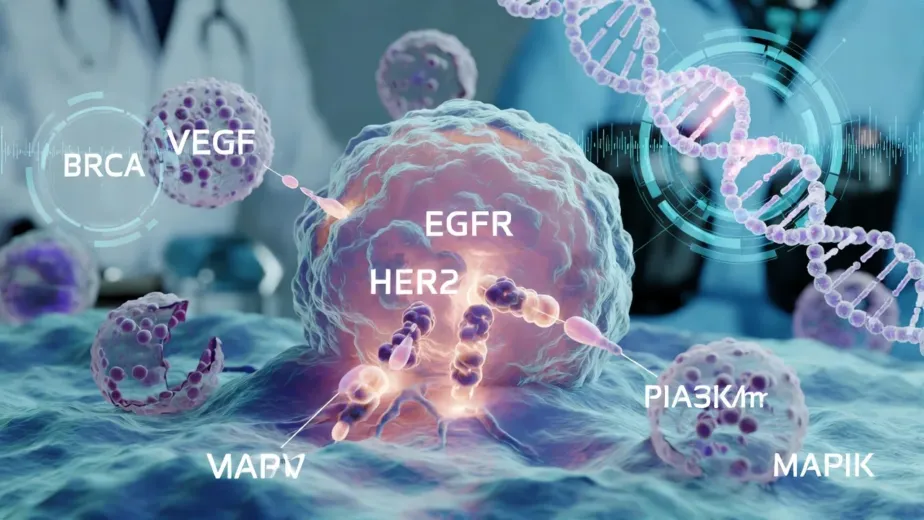
• Precision targeting of mutations (EGFR, ALK, BRAF)
Cell & Gene Therapies
• CAR-T cells for haematological malignancies
Do's and Don’ts in Oncology Drug Use
✅ Do’s
- Individualize therapy based on tumor biology and patient profile
- Use combination regimens to enhance efficacy
- Monitor organ toxicity (liver, kidney, bone marrow)
- Follow evidence-based protocols and guidelines
- Ensure safe handling of cytotoxic drugs
❌ Don’ts
- Avoid empirical or non-guideline-based use
- Do not ignore drug-drug interactions
- Avoid underestimating toxicity management
- Never compromise on protective measures for healthcare workers
Challenges in Oncology Pharmacotherapy
- Drug resistance
- High toxicity in conventional chemotherapy
- Cost and accessibility of newer therapies
- Need for biomarkers for precision medicine
Conclusion
Oncology drugs have evolved from broad-spectrum cytotoxic agents to highly targeted and immune-based therapies. While traditional chemotherapy remains indispensable, newer molecules like immunotherapies and targeted agents are redefining cancer care.
A strong understanding of classification, mechanism, and safe usage is essential for optimising outcomes and minimising risks in modern oncology practice.
References
- Ostios-Garcia L, et al. Classification of anticancer drugs: an update. Cancer Metastasis Rev. 2024.
- NCBI. Antineoplastic Agents. 2024.
- CDC. Antineoplastic Agents and Occupational Exposure. 2026.
- Open Access Journals. Antineoplastic agents overview.
- PMC Review on classification and mechanisms. 2024.