
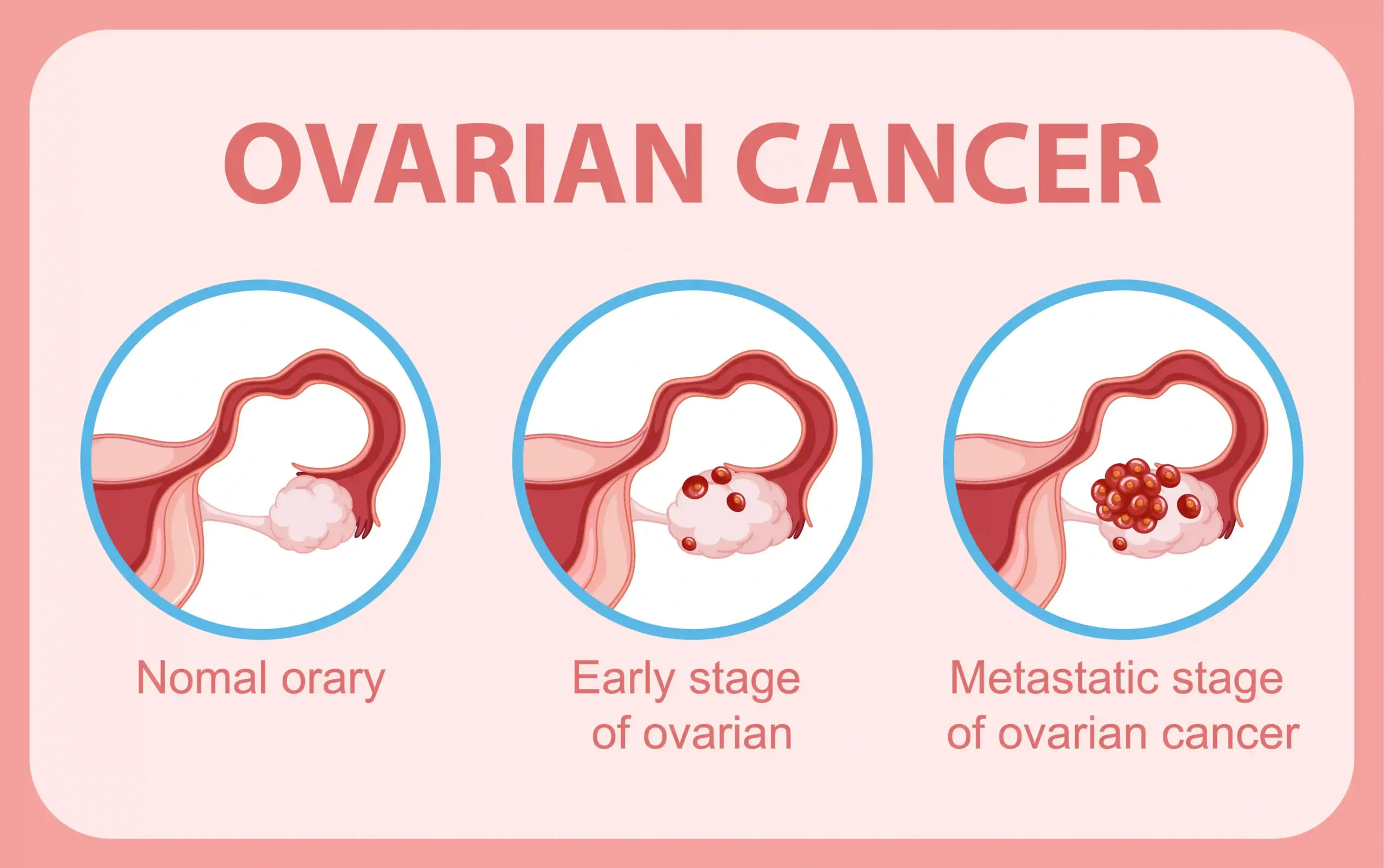
Why Ovarian Cancer Awareness Matters
Every May, healthcare organizations, oncologists, patient advocacy groups, and cancer survivors across the world observe Ovarian Cancer Awareness Month to increase understanding about one of the most challenging gynecological cancers. Ovarian cancer is often referred to as a “silent disease” because many women overlook or misinterpret the early warning signs. However, recognizing the ovarian cancer symptoms at an early stage can significantly improve diagnosis, treatment outcomes, and survival rates.
According to peer-reviewed studies published in leading oncology and gynecology journals, early identification of the ovarian cancer symptoms remains one of the most important factors influencing patient prognosis.1-3 Unfortunately, many women are diagnosed at advanced stages because the symptoms are subtle and overlap with common digestive or urinary issues.
This Ovarian Cancer Awareness Month, it is essential to educate women, caregivers, and healthcare professionals about the symptoms of ovarian cancer and the importance of timely medical evaluation.
What is Ovarian Cancer?
Ovarian cancer begins in the ovaries — the female reproductive glands responsible for producing eggs and hormones such as estrogen and progesterone. There are several types of ovarian cancer, but epithelial ovarian cancer is the most common form.
Research published in journals such as The Lancet Oncology, Gynecologic Oncology, and the Journal of Clinical Oncology highlights that ovarian cancer remains one of the leading causes of cancer-related deaths among women due to delayed diagnosis.1-3
Although ovarian cancer can occur at any age, it is more commonly diagnosed in postmenopausal women. Family history, genetic mutations such as BRCA1 and BRCA2, age, obesity, and certain reproductive factors may increase the risk.
Why Early Detection is Challenging
One of the biggest challenges with ovarian cancer is that the symptoms of ovarian cancer are often vague and easily mistaken for everyday health concerns. Women may initially ignore these warning signs, assuming they are related to indigestion, stress, hormonal changes, or urinary tract infections.
Peer-reviewed evidence suggests that persistent, frequent, and worsening symptoms should never be ignored.3,4 Studies indicate that women experiencing multiple symptoms for more than two to three weeks should seek medical consultation.
Healthcare professionals are increasingly emphasizing symptom awareness campaigns because recognizing the ovarian cancer symptoms early can help reduce delays in diagnosis.3,5
Common Ovarian Cancer Symptoms
Understanding the ovarian cancer symptoms can empower women to seek medical attention sooner. While these symptoms may also occur in non-cancerous conditions, persistence and frequency are key concerns.
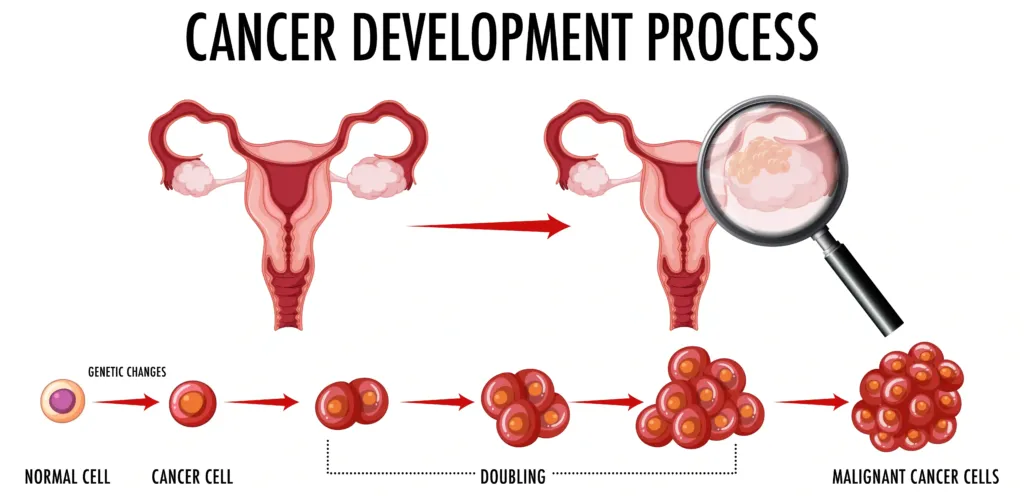
1. Persistent Bloating
Ongoing abdominal bloating that does not improve with lifestyle changes is one of the most frequently reported symptoms of ovarian cancer. Many women describe a constant feeling of fullness or swelling in the abdomen.
2. Pelvic or Abdominal Pain
Chronic discomfort, pressure, or pain in the pelvic region can be another important warning sign. Pain may be mild initially but can gradually worsen over time.
3. Difficulty Eating or Feeling Full Quickly
Women with ovarian cancer often report early satiety, meaning they feel full after eating small amounts of food. This symptom may affect appetite and nutritional intake.
4. Frequent or Urgent Urination
Increased urinary frequency or urgency without infection can sometimes indicate pressure caused by ovarian tumors.
5. Changes in Bowel Habits
Constipation, indigestion, nausea, or altered bowel patterns may also be associated with the ovarian cancer symptoms.
6. Fatigue and Low Energy
Persistent fatigue that does not improve with rest should not be ignored, especially when combined with other symptoms.
7. Unexplained Weight Loss or Weight Gain
Some women experience sudden weight changes due to fluid accumulation or loss of appetite.
8. Back Pain
Lower back pain that continues for weeks without a clear cause may sometimes be linked to ovarian cancer progression.
Recognizing the ovarian cancer symptoms and tracking how long they persist is crucial for early intervention.
When Should Women Seek Medical Advice?
Medical experts recommend seeking professional evaluation if the symptoms of ovarian cancer occur more than 12 times in a month or continue for several weeks.4,6
Women should especially pay attention if symptoms are:
- Persistent
- New or unusual
- Increasing in severity
- Occurring almost daily
- Not responding to standard treatments
During consultation, physicians may recommend pelvic examination, ultrasound imaging, CA-125 blood testing, CT scans, or additional diagnostic procedures.
Awareness of the ovarian cancer symptoms can encourage women to advocate for their health and seek timely screening when necessary
Risk Factors Associated with Ovarian Cancer
While ovarian cancer can affect anyone, certain factors may increase risk:
- Family history of ovarian or breast cancer
- BRCA1 or BRCA2 genetic mutations
- Increasing age
- Endometriosis
- Obesity
- Hormone replacement therapy
- Never having been pregnant
Women with higher risk profiles should discuss preventive strategies and regular gynecological evaluations with healthcare providers.
Several peer-reviewed studies also suggest that awareness programs focusing on the symptoms of ovarian cancer can improve healthcare-seeking behavior among high-risk women.6,7
The Importance of Awareness Campaigns
Ovarian Cancer Awareness Month plays a critical role in promoting education, early diagnosis, and patient support. Advocacy campaigns encourage women to listen to their bodies and avoid dismissing persistent symptoms.
Healthcare organizations worldwide continue to emphasize that understanding the symptoms of ovarian cancer can save lives. Social media initiatives, patient education programs, survivor stories, and hospital awareness drives all contribute toward reducing diagnostic delays.
Educational outreach also helps reduce stigma and fear associated with gynecological cancers.
Advances in Ovarian Cancer Treatment
Modern oncology has significantly improved ovarian cancer management through advances in:
- Targeted therapies
- PARP inhibitors
- Precision medicine
- Immunotherapy research
- Improved surgical techniques
- Combination chemotherapy protocols
Peer-reviewed clinical trials have shown improved progression-free survival in selected patients receiving personalized treatment approaches.2,6
Despite treatment advancements, awareness of the symptoms of ovarian cancer remains essential because outcomes are better when diagnosis occurs at earlier stages.
Supporting Women Through Awareness and Action
Families, caregivers, healthcare professionals, and communities all have a role in supporting women affected by ovarian cancer. Encouraging open conversations about gynecological health can help women recognize concerning symptoms earlier.
Simple awareness actions include:
- Sharing educational resources
- Encouraging routine gynecological check-ups
- Supporting cancer awareness campaigns
- Promoting healthy lifestyle habits
- Discussing family medical history
By spreading knowledge about the ovarian cancer symptoms, society can help improve early detection and patient outcomes.
Conclusion
May is more than just Ovarian Cancer Awareness Month — it is a reminder that awareness, education, and timely action can make a life-saving difference.
The symptoms of ovarian cancer are often subtle, but persistent bloating, pelvic pain, urinary changes, fatigue, and digestive disturbances should never be ignored. Peer-reviewed medical evidence consistently supports the importance of early symptom recognition and prompt medical evaluation.1-8
Through education, advocacy, and improved awareness, more women can receive earlier diagnoses and access appropriate treatment sooner. This May, take time to educate yourself and others about the ovarian cancer symptoms and encourage conversations that could ultimately save lives.
References
- Smith LH, et al. Ovarian cancer symptom awareness and early detection strategies. J Clin Oncol. 2020;38(15):1655-1662.
- Cortez AJ, et al. Advances in ovarian cancer therapy and personalized medicine. Lancet Oncol. 2021;22(7):e290-e301.
- Goff BA, et al. Development of an ovarian cancer symptom index. Gynecol Oncol. 2007;106(2):312-316.
- American Cancer Society. Signs and symptoms of ovarian cancer. Available from: https://www.cancer.org
- National Cancer Institute. Ovarian epithelial cancer treatment overview. Available from: https://www.cancer.gov
- Funston G, et al. Ovarian cancer symptoms, diagnosis and survival outcomes. Int J Gynecol Cancer. 2018;28(5):833-842.
- Society of Gynecologic Oncology. Ovarian cancer awareness recommendations and guidelines. Available from: https://www.sgo.org
- Torre LA, et al. Ovarian cancer global epidemiology and burden. CA Cancer J Clin. 2018;68(4):284-296.