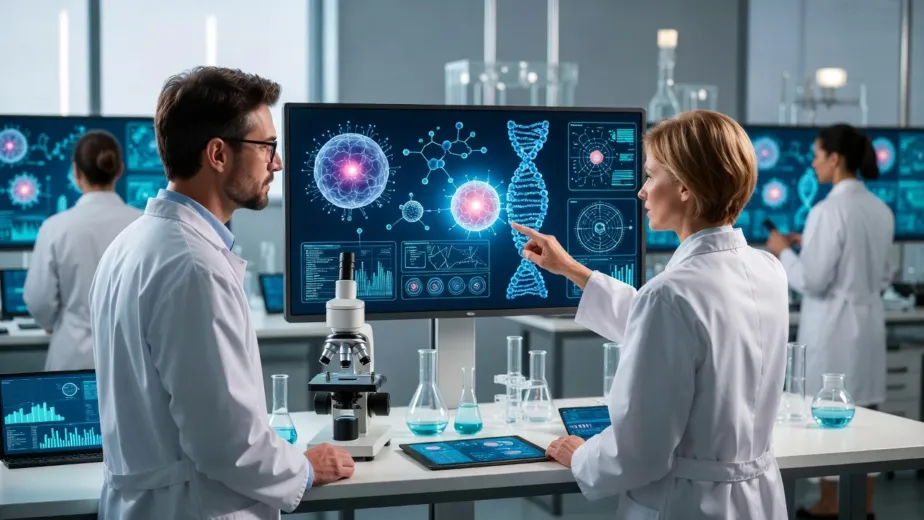
Cancer remains one of the leading health challenges worldwide. The medical field dedicated to understanding and treating cancer is known as Oncology. Over the past few decades, advancements in oncology research, oncology drug manufacturing, and cancer care systems have significantly improved patient outcomes.
This article explains the oncology meaning, the structure of modern oncology care, and the role of oncology pharma companies and cancer medicine manufacturers in advancing treatment.
What is Oncology? (Oncology Meaning)
The oncology meaning refers to the branch of medicine that focuses on the prevention, diagnosis, and treatment of cancer. Physicians specialising in this field are called oncologists, and they manage patients throughout the entire cancer journey—from diagnosis to treatment and survivorship.
Cancer itself is not a single disease but a group of more than 100 diseases characterized by uncontrolled cell growth that can invade surrounding tissues or spread to other parts of the body.
Oncology is therefore a multidisciplinary science that combines:
- Clinical medicine
- Molecular biology
- Pharmacology
- Radiation science
- Surgical techniques
Together, these disciplines help improve the diagnosis, treatment, and long-term management of cancer patients.
Core Branches of Oncology

Medical Oncology
Medical oncology focuses on treating cancer using systemic therapies such as:
- Chemotherapy
- Immunotherapy
- Targeted therapy
- Hormone therapy
These therapies work throughout the body to destroy cancer cells or slow tumor growth.
Surgical Oncology
Surgical oncology involves the removal of tumors through surgery, which is often the primary treatment for localized cancers.
Radiation Oncology
Radiation oncology uses high-energy radiation to destroy cancer cells or shrink tumors, either alone or combined with other therapies.
Together, these disciplines form the foundation of comprehensive oncology care.
The Role of Oncology Care in Modern Medicine
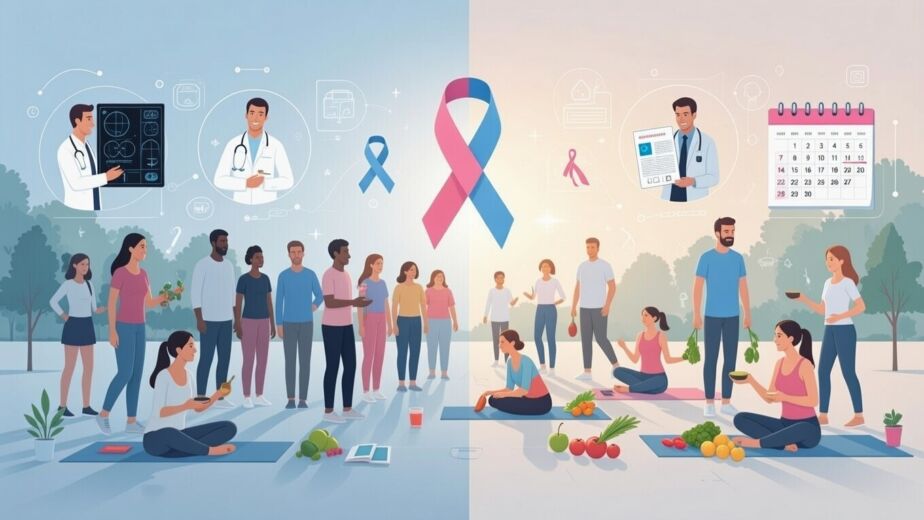
Modern oncology care extends beyond simply treating tumours. Cancer management today involves a multidisciplinary approach in which multiple specialists collaborate to provide personalised treatment plans.
Key components of modern cancer care include:
- Early detection and screening
- Accurate pathological diagnosis
- Personalised treatment planning
- Supportive care and symptom management
- Survivorship care and monitoring
Multidisciplinary tumour boards—consisting of oncologists, pathologists, radiologists, surgeons, and pharmacists—are now considered the standard approach for delivering optimal cancer treatment.
Advances in Oncology Drug Manufacturing
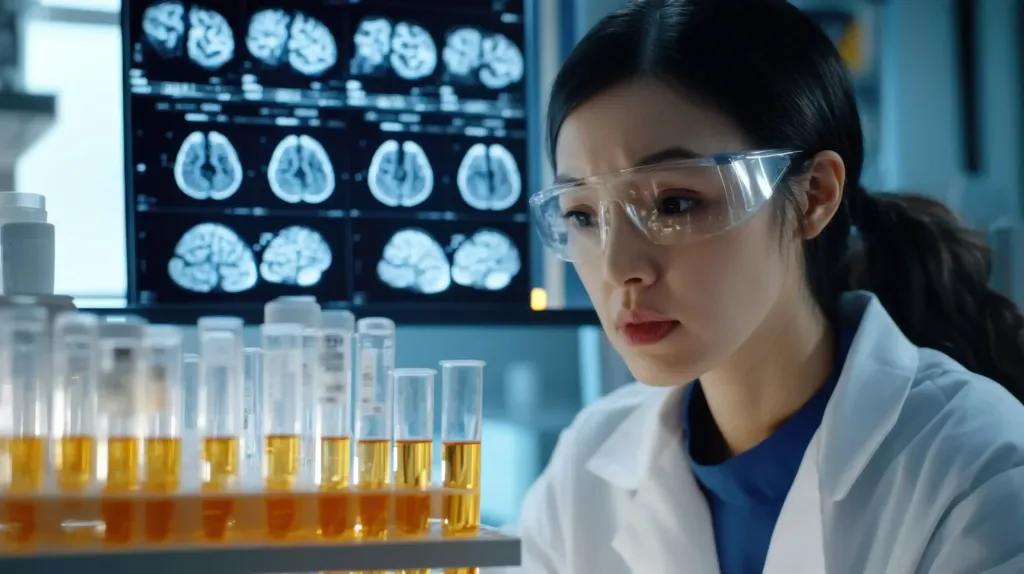
One of the most critical pillars of cancer treatment is oncology drug manufacturing. The development of cancer medicines requires extensive research, clinical trials, and regulatory oversight.
Cancer medicine manufacturers invest heavily in:
- Molecular oncology research
- Target discovery
- Clinical trials
- Biologic drug development
- Biosimilar manufacturing
Modern oncology therapies now include:
- Targeted therapies that act on specific cancer mutations
- Immunotherapies that activate the immune system to fight cancer
- Precision medicine approaches based on genetic profiling of tumours
Research in oncology continues to evolve rapidly, particularly in areas such as genomics, immunology, and tumour microenvironment studies.
Role of Oncology Pharma Companies in Cancer Treatment
Oncology pharma companies play a crucial role in translating scientific discoveries into life-saving therapies.
Their responsibilities include:
- Developing innovative oncology drugs
- Conducting large-scale clinical trials
- Ensuring high-quality oncology drug manufacturing
- Supporting physician education and patient awareness
- Improving global access to cancer medicines
Many leading oncology pharma companies also collaborate with academic institutions and research organisations to accelerate the development of new cancer therapies.
Emerging Innovations in Oncology
Recent scientific advances are reshaping the future of oncology care. Some key innovations include:
Precision Oncology
Genomic sequencing allows doctors to identify mutations driving tumour growth and select targeted therapies accordingly.
Immunotherapy
Immune checkpoint inhibitors and cellular therapies help the immune system recognise and attack cancer cells.
Artificial Intelligence in Oncology
AI tools are being used to improve cancer diagnosis, predict treatment response, and optimise personalised therapies. These developments are transforming how oncology pharma companies approach drug discovery and oncology drug manufacturing.
The Future of Cancer Care
The field of oncology continues to evolve rapidly. Advances in molecular biology, biotechnology, and digital health are improving the effectiveness of cancer treatments.
Future priorities in cancer care include:
- Earlier detection of cancer
- Personalized therapies for each patient
- Improved accessibility to oncology medicines
- Reduced treatment toxicity
- Integration of AI and precision medicine
Through continuous innovation, oncology pharma companies and cancer medicine manufacturers are working toward the goal of improving survival and quality of life for patients worldwide.
Conclusion
Understanding the oncology meaning highlights the complexity and importance of the science behind cancer treatment. From diagnosis and multidisciplinary oncology care to advanced oncology drug manufacturing, the fight against cancer involves collaboration between clinicians, researchers, and pharmaceutical innovators.
With ongoing research and innovation, the future of cancer care is becoming increasingly precise, effective, and patient-centred.
References
- National Cancer Institute – Definition of Oncology
- Gale RP. Overview of Cancer Therapy. MSD Manual Professional Edition
- European Journal of Cancer – Clinical and Translational Oncology Research
- Indian Journal of Cancer – Oncology research in India
- AI in Oncology: Transforming Cancer Detection and Treatment (systematic review)